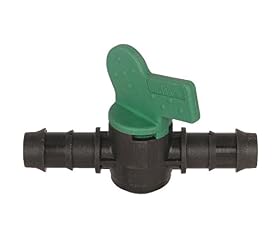
A ball valve can reduce a pond pump’s discharge flow, but it should be installed on the pressure side—not the pump’s intake. Here’s how to choose and use one safely.
A ball valve can throttle a pond pump by partially restricting water flow on the pump’s discharge side. Choose a valve that matches the pond tubing or pipe size, install it after the pump, and adjust it gradually. Never restrict the pump’s intake, and remember that a valve controls flow—it does not reduce the pump’s electrical power consumption.
Where to install the ball valve
Install the valve in the discharge line after the pump outlet. This lets the pump push against a controlled amount of resistance while maintaining a flooded intake.
A typical layout is:
Pond → intake screen or pre-filter → pump → ball valve → tubing or pipe → filter, waterfall, fountain, or return
Keep the pump’s intake unrestricted. A partially closed valve before the pump can starve the pump of water, increase the chance of cavitation, and potentially damage the pump or its seal.
If the pump is installed inside the pond, place the valve on the tubing leaving the pond. If the pump is external, follow the manufacturer’s installation instructions for intake plumbing and priming.
How to choose the right valve
Match the plumbing size
Select a valve with connections that match the pump outlet and the existing tubing or pipe. Common pond plumbing uses flexible tubing, rigid PVC, threaded fittings, or barbed adapters. The valve itself may not connect directly to every type of hose, so you may also need unions, adapters, clamps, or short transition pieces.
Avoid stepping down to a much smaller valve simply because it is easier to find. A narrow passage can create unnecessary restriction, reduce flow, and make clogging more likely.
Choose a full-port valve when possible
A full-port ball valve has an internal opening closer to the diameter of the connected pipe. It generally creates less restriction when fully open than a reduced-port valve.
For pond systems, a full-port valve is usually the better choice when:
The pump is moving a substantial volume of water.
The line feeds a waterfall or stream.
You want to keep the valve fully open during normal operation.
The pump has a relatively small outlet and every bit of flow matters.
A reduced-port valve can still work for basic flow adjustment, especially on a small decorative fountain, but it may limit maximum flow even when open.
Check the valve material and connection type
Use a valve intended for outdoor water service and compatible with the tubing or pipe material. Common choices include plastic valves for many pond and garden installations, but the important factors are connection compatibility, weather exposure, and the manufacturer’s pressure and temperature limits.
For threaded connections, avoid overtightening plastic fittings. Use the sealing method specified for the fitting and keep sealant out of the valve passage.
Product prices and availability are accurate as of the date/time indicated and are subject to change. Any price and availability information displayed on Amazon.com at the time of purchase will apply to the purchase of this product.
How to throttle the pump
Open the ball valve fully before starting the pump.
Confirm that the pump is primed if it is an external model.
Start the pump and check for leaks.
Turn the valve handle slowly toward the closed position.
Watch the waterfall, fountain, filter, or return outlet as flow changes.
Stop adjusting when the water reaches the desired rate.
A ball valve is not intended to be forced beyond its normal quarter-turn range. If the handle becomes difficult to move, shut down the pump and inspect the valve rather than applying excessive force.
When the valve is nearly closed, check that the pump still has a suitable discharge path and that the manufacturer does not prohibit throttling. Some pumps tolerate discharge-side throttling, while others have specific operating requirements.
Product prices and availability are accurate as of the date/time indicated and are subject to change. Any price and availability information displayed on Amazon.com at the time of purchase will apply to the purchase of this product.
Ball valve versus check valve
A ball valve adjusts flow manually. A check valve allows water to move in one direction and helps prevent backflow when the pump stops.
They serve different purposes:
Ball valve: Used to regulate or shut off discharge flow.
Check valve: Used to limit reverse flow and help maintain water in a line.
Gate valve: Can regulate flow, but is often less convenient for small pond systems and may be more vulnerable to debris depending on its design.
A check valve does not replace a throttling valve. If backflow is a concern, you may need both, installed according to the pump and plumbing layout.
When a ball valve is not the best solution
A ball valve is useful for reducing excess flow, but it wastes some of the pump’s available pressure as restriction. If you routinely need the valve almost closed, the pump may be oversized for the feature.
Consider a different approach when:
The valve must remain nearly closed all the time.
The pump is noisy or vibrates after throttling.
The pump overheats or repeatedly shuts off.
You want to preserve more of the pump’s energy as useful water flow.
The system needs to supply two water features with different flow requirements.
A bypass line can redirect part of the discharge back to the pond or reservoir. This may be useful in some installations, but it adds plumbing and must be arranged so the pump always has a safe discharge path. Another option is a smaller pump whose flow and head rating better match the system.
Do not return bypass water in a way that creates a strong current near the pump intake, and follow the pump manufacturer’s guidance before using a bypass arrangement.
Troubleshooting after installation
The flow is still too strong
Close the valve slightly more and observe the feature for several minutes. If the valve is nearly closed and the flow remains excessive, the pump may be too large or the valve may have too large an internal passage for the adjustment you need. A smaller pump or a properly designed bypass may be more appropriate.
Flow drops unexpectedly
Check the intake screen, pre-filter, and pump impeller for leaves, algae, gravel, or other debris. Then inspect the tubing for kinks and check that the ball valve has not moved.
If the pump is external, look for air entering the intake line. Loose fittings, damaged O-rings, and poorly sealed connections can reduce flow or cause loss of prime.
The pump becomes noisy
Turn off and unplug the pump before inspecting it. Check for debris in the impeller chamber, air in the intake line, or a restricted intake. Do not use the discharge valve to compensate for an intake-side blockage.
Persistent grinding, rattling, overheating, or repeated trips of a protective device may indicate a worn pump, damaged impeller, or electrical problem. Replace the appropriate service part if the manufacturer provides one; otherwise, replacement of the pump may be more practical. Have wiring and electrical faults evaluated by a qualified professional.
The valve leaks
Confirm that the leak is from a connection rather than the valve body. Tighten compatible hose clamps or fittings carefully, without crushing flexible tubing or overtightening plastic threads. A damaged seal or cracked valve should be replaced.
Practical installation tips
Install a union or quick-disconnect near the pump when possible so the pump can be removed for cleaning.
Support heavy tubing so it does not pull on the valve or pump outlet.
Keep the valve accessible rather than burying it under rocks or plants.
Use a pump cage or intake screen if debris frequently reaches the pump.
Leave enough straight tubing and working space to service fittings.
Open the valve before restarting a pump after maintenance.
Follow the pump’s manual for acceptable operating conditions and electrical safety.
For most pond installations, a correctly sized full-port ball valve on the discharge line is a simple way to fine-tune flow. If substantial throttling is required, reassess the pump size, plumbing layout, and possibility of a bypass instead of relying on a nearly closed valve.
FAQ
Can you throttle a pond pump with a ball valve?
Usually, yes. Install the ball valve on the pump’s discharge side and adjust it gradually. Do not restrict the intake unless the pump manufacturer specifically permits it.
Does throttling a pond pump damage it?
Discharge-side throttling is tolerated by many pond pumps, but requirements vary. Excessive restriction, an almost closed valve, poor intake conditions, overheating, or unusual noise can create problems. Follow the pump manufacturer’s instructions.
What size ball valve do I need for a pond pump?
Match the valve connections to the pump outlet and discharge tubing or pipe. Avoid a much smaller valve that creates unnecessary restriction. A full-port valve is generally preferable when maintaining maximum flow matters.
Should the ball valve go before or after the pond pump?
Place it after the pump, on the discharge line. Keep the intake unrestricted to reduce the risk of starvation, cavitation, loss of prime, and pump damage.
Is a ball valve the same as a check valve for a pond pump?
No. A ball valve manually adjusts or shuts off flow. A check valve limits reverse flow when the pump stops. They may be used together, but they perform different jobs.