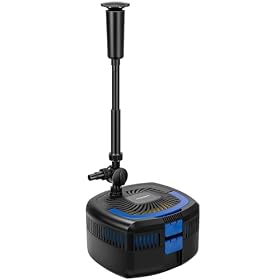
A pond pump that repeatedly starts and stops is usually responding to restricted flow, low water, trapped air, overheating, or an electrical protection device. Check the pump and water conditions first, then investigate the power supply if the problem remains.
A pond pump cycling on and off is usually caused by a flow restriction, low water level, trapped air, overheating, or a protective electrical device interrupting power. Unplug the pump before removing it from the water or inspecting the impeller, and never bypass a GFCI or other safety device.
Start with the pump’s symptoms
Observe the cycle before changing anything:
It runs briefly, then stops and restarts after cooling: overheating, a clogged intake, low water, or a worn motor is likely.
It stops immediately when connected: a GFCI, timer, float switch, damaged cord, or electrical fault may be involved.
It runs but flow drops before stopping: a clogged filter, hose, impeller, or discharge line is a more likely cause.
It makes a rattling or grinding sound: debris in the impeller chamber or a worn impeller may be restricting operation.
If the pump, cord, plug, or outlet is damaged, disconnect power and have the equipment inspected or replaced. Keep electrical connections dry and follow the pump manufacturer’s installation instructions.
1. Clean the filter and intake
A clogged intake screen, foam prefilter, or pump cage makes the motor work harder while reducing water flow. This can cause the pump to overheat and shut down through its thermal protection.
Disconnect power at the outlet or breaker.
Remove the pump from the pond if the manufacturer permits this.
Rinse the intake screen, filter sponge, and pump cage with pond water rather than chlorinated tap water when possible.
Open the impeller cover according to the instructions and remove leaves, gravel, algae, and stringy debris.
Check that the impeller spins freely without excessive wobble.
Do not run a submersible pump dry while checking its operation. If the impeller is cracked, badly worn, or does not turn freely after cleaning, a replacement impeller or pump may be necessary.
Product prices and availability are accurate as of the date/time indicated and are subject to change. Any price and availability information displayed on Amazon.com at the time of purchase will apply to the purchase of this product.
2. Check the hose and discharge line
A blocked, kinked, undersized, or excessively long hose can restrict flow and make cycling more likely. Inspect the full route from the pump to the waterfall, filter, or return outlet.
Look for:
Kinks or crushed sections
Mud, algae, or debris inside the tubing
A blocked waterfall spillway or filter inlet
A hose connection that has collapsed or become loose
A discharge fitting that is too restrictive for the pump
Disconnect the hose and briefly check whether the pump operates normally with an open, unrestricted discharge. Do this only in a safe location and for the short time allowed by the manufacturer. Do not leave a pump running if it cannot remain properly cooled or submerged.
A replacement hose should match the pump’s required diameter. A larger-diameter hose generally creates less resistance, but the pump’s maximum head and connection size still determine the usable flow.
Product prices and availability are accurate as of the date/time indicated and are subject to change. Any price and availability information displayed on Amazon.com at the time of purchase will apply to the purchase of this product.
3. Look for air leaks and trapped air
Air can interrupt flow and cause a pump to surge, lose prime, or cycle. This is especially common with external pumps, skimmer systems, and installations using suction-side tubing.
Check that:
The pump is fully submerged if it is a submersible model.
The intake is not drawing air from a low water level.
The intake line has no split, loose connection, or pinhole leak.
If bubbles appear continuously at the return, inspect the intake side first. Replace damaged tubing, flattened O-rings, or cracked fittings rather than relying on excessive sealant. Use only sealants approved for pond and pump applications.
Product prices and availability are accurate as of the date/time indicated and are subject to change. Any price and availability information displayed on Amazon.com at the time of purchase will apply to the purchase of this product.
4. Confirm the water level and setup
A low pond or reservoir level can expose the intake, create a vortex, or allow air into the pump. Evaporation, splash-out, leaks, and a blocked skimmer can all reduce the available water.
Make sure the pump is positioned at the depth specified by its instructions and is not sitting directly in loose sediment. A pump cage or raised support can help keep the intake away from sludge, but it must not restrict the intake openings.
Also check whether a float switch, timer, smart outlet, filter controller, or automatic top-off system is intentionally interrupting power. Test the pump on a suitable known-good control setup only if the manufacturer permits it, and do not remove required overload or ground-fault protection.
5. Check for overheating or an overloaded pump
A pump may stop when its thermal protection activates, then restart after the motor cools. Common triggers include:
A dirty filter or impeller
Insufficient water around a submersible motor
A blocked discharge line
Direct sun or inadequate ventilation for an external pump
A pump operating against more head pressure than it can handle
A failing motor or capacitor, where applicable
Compare the installation with the pump’s instructions, including maximum lift, flow restrictions, water depth, and ventilation requirements. A pump rated for a certain flow at zero lift may deliver much less at the actual height of your waterfall or filter.
If the pump repeatedly becomes hot after cleaning and correcting the setup, stop using it. Continued cycling can damage the motor. Replacement is usually more practical than repairing a small sealed pond pump unless the manufacturer supplies serviceable parts.
6. Check the electrical supply last
After confirming that water is flowing correctly, inspect the electrical setup without opening the motor housing:
Check whether the GFCI has tripped.
Reset it once only after finding no obvious water intrusion or cord damage.
Inspect the plug, cord, outdoor-rated connections, timer, and extension cord.
Avoid undersized, damaged, or excessively long extension cords.
Confirm that the outlet voltage matches the pump requirements.
If the GFCI trips again, the cord or pump shows damage, the outlet is wet, or you smell burning, disconnect power and call a qualified electrician or replace the pump as appropriate. Never bypass a GFCI, cut off the grounding pin, or operate a damaged electrical product near water.
When to replace the pump
A replacement pump is reasonable when the unit still cycles after the intake, impeller, hose, water level, priming, and control setup have been corrected. Replacement is also the safer choice when the motor housing is sealed and failing, the cord is damaged, the impeller shaft is badly worn, or the pump overheats with unobstructed flow.
Choose a replacement based on more than the advertised maximum gallons per hour. Match the pump to the required flow at the installation’s vertical lift, hose diameter, filter resistance, and any waterfall or fountain fitting. A pump that is too small may run continuously without delivering the needed flow; one that is too large may waste energy, overwhelm the filter, or require throttling.
If the new pump also cycles, recheck the electrical protection, water level, hose routing, and downstream filter for a restriction rather than assuming the pump is defective.
FAQ
Why does my pond pump run for a few minutes and then stop?
The most common causes are a clogged intake or impeller, low water, trapped air, a blocked hose, or thermal overload. Clean the pump, restore the correct water level, check the hose, and allow the motor to cool before testing again.
Can a low water level make a pond pump cycle?
Yes. Low water can expose the intake, create a vortex, or let air enter the pump. Restore the water level and make sure the pump remains positioned at the depth specified by the manufacturer.
Why does my pond pump trip the GFCI?
A wet or damaged plug, cord, outlet, or pump can cause a ground-fault trip. Disconnect the equipment and inspect it without bypassing the GFCI. Repeated trips require qualified electrical inspection or pump replacement.
Should I replace a pond pump that keeps overheating?
Replace it if it continues overheating after cleaning the filter and impeller, correcting the water level, removing hose restrictions, and confirming the pump is operating within its rated lift and flow conditions. Do not continue operating a pump with a damaged cord or housing.