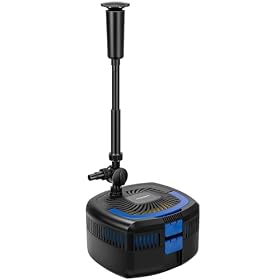
A small submersible pump with adjustable flow is usually the simplest choice for a patio container water garden. Match its lift rating to the height of your fountain or spillway, protect the intake from debris, and use a suitable outdoor GFCI-protected outlet.
Pump for a patio container water garden
For most patio container water gardens, choose a small submersible pond or fountain pump with adjustable flow, a protected intake, and a maximum lift height greater than the distance from the water surface to the fountain outlet. The pump should be fully submerged, connected with tubing that fits securely, and powered from a weather-appropriate GFCI-protected outdoor outlet.
What type of pump works best?
A compact submersible pump is usually the most practical option for a container garden because it sits inside the water and does not require a separate external plumbing system. It can circulate water through:
Look for an adjustable-flow model if possible. A pump that is too strong can empty the container faster than water returns, splash onto nearby surfaces, or create unnecessary noise. Adjustable flow also makes it easier to compensate for changes caused by tubing length, bends, filter media, or a clogged intake.
An external pump is generally unnecessary for a small patio container unless the design has unusual plumbing, a large separate filter, or a pump location outside the water. External installations require more careful priming, sealing, and protection from leaks.
How to size the pump
Pump selection depends on two measurements: the desired flow and the vertical lift.
Measure the lift height
Measure from the normal water surface in the container to the point where water exits the tubing or fountain head. This is the pump's approximate lift requirement.
Do not select a pump based only on its maximum gallons-per-hour rating. A pump's advertised flow is typically measured under limited or no lift. Actual flow decreases as the water must travel higher, through narrower tubing, around bends, or through a filter.
Choose a model whose stated maximum lift is higher than your measured height. The extra capacity helps offset pressure loss, but use the flow control or a suitable valve to reduce output if needed. Never restrict a pump in a way the manufacturer prohibits.
Estimate the needed flow
For a simple bubbler, modest circulation is usually sufficient. A spillway or small waterfall may need more flow to produce a continuous sheet of water. A filter also adds resistance, so check the filter manufacturer's recommended flow range before choosing the pump.
For a container water garden, it is generally better to have controllable flow than to buy the largest pump that fits. Excessive flow can cause:
Water loss from splashing and evaporation
A pump that runs noisily or vibrates against the container
Product prices and availability are accurate as of the date/time indicated and are subject to change. Any price and availability information displayed on Amazon.com at the time of purchase will apply to the purchase of this product.
Features worth prioritizing
Adjustable flow control
This is one of the most useful features for a small container. It lets you tune the sound and appearance of the water feature without replacing the pump.
Suitable lift rating
Check the pump's maximum head or maximum lift specification. The outlet height, tubing route, and any filter or fountain attachment all affect the real result.
A protected intake
A screened or enclosed intake helps keep leaves, plant debris, gravel, and larger particles from reaching the impeller. If the pump does not include adequate protection, place it inside a purpose-built pump cage or use a manufacturer-approved prefilter.
Do not wrap the pump tightly in fabric or improvised material. A restrictive covering can reduce flow, cause the pump to run hotter, and require frequent cleaning.
Compatible tubing and outlet fittings
Confirm that the pump outlet matches the inside diameter of the tubing and the connector used by the fountain head or spillway. A loose connection can leak or spray, while undersized tubing creates additional resistance and reduces flow.
Low operating noise
Noise often comes from vibration rather than the motor itself. A pump with a stable base, flexible tubing, and a soft pad underneath can be quieter than the same pump resting directly on a hard container surface.
Outdoor electrical suitability
Use a pump rated for the intended environment and follow its installation instructions. The receptacle should be protected by a ground-fault circuit interrupter (GFCI), and electrical connections should remain above standing water and protected from rain as directed by the manufacturer.
Do not use extension cords or outdoor connections that are not rated for the location. If the electrical arrangement is unclear, have a qualified electrician review it.
Product prices and availability are accurate as of the date/time indicated and are subject to change. Any price and availability information displayed on Amazon.com at the time of purchase will apply to the purchase of this product.
How to install the pump
Place the container on a stable, level surface. A filled container is heavy, so position it before adding water.
Rinse the container and decorative materials. Remove loose soil, dust, and debris that could clog the pump.
Set the pump on a stable support. Keep the intake off the bottom if possible, using a suitable stand or pump cage rather than loose stones that could block it.
Connect the tubing securely. Keep the route as short and straight as practical, with gentle bends instead of sharp kinks.
Install the fountain head, spillway, or filter. Make sure the outlet directs water back into the container, not over its edge.
Fill the container to the operating level. The pump must remain submerged according to its instructions.
Turn on the pump and adjust the flow. Watch the return path for several minutes to check for splashing, leaks, and water loss.
Mark the normal water level. This makes it easier to notice evaporation or a leak before the pump runs dry.
Do not run a submersible pump dry. If the water level can fall below the pump intake, use a larger container, add water regularly, or use a setup designed to shut off at a low level.
Product prices and availability are accurate as of the date/time indicated and are subject to change. Any price and availability information displayed on Amazon.com at the time of purchase will apply to the purchase of this product.
Keeping a container pump working
Small pumps need periodic cleaning because container gardens collect plant fragments, algae, mineral deposits, and sediment.
Unplug the pump before removing it from the water.
Clean the intake screen or pump cage when flow decreases.
Follow the manufacturer's instructions for opening the pump housing.
Remove debris from the impeller carefully; do not force stuck parts.
Rinse tubing and fountain attachments when buildup restricts flow.
Check the water level frequently during hot or windy weather.
Keep leaves and loose soil out of the container where possible.
If the container has fish, plants, or other aquatic life, choose cleaning methods that are safe for those inhabitants and avoid introducing soaps or household cleaners into the water.
Troubleshooting common problems
The pump runs, but little water comes out
Check the intake screen, pump cage, tubing, and fountain attachment for blockage. Confirm that the pump is fully submerged and that the tubing is not kinked. If the pump is lifting water higher than its rated head, lower the outlet or choose a model with a higher lift rating.
The pump is noisy or vibrating
Make sure it is not touching the container wall or sitting directly on a hard surface. Check for gravel, plant roots, or debris near the impeller. Flexible tubing and a stable support can reduce vibration. Persistent grinding after cleaning may indicate a worn or damaged impeller.
Water splashes out of the container
Reduce the pump's flow, lower the fountain head, redirect the outlet, or use a wider return path. Also check that the container is level and that wind is not pushing water over the rim.
The pump stops unexpectedly
Check the water level first. A low-water safety feature may have activated, or the pump may have overheated after running dry. Then inspect the GFCI, plug, and connection for a trip or loose connection. Disconnect power before examining the pump.
If the GFCI repeatedly trips, stop using the pump and have the electrical setup or pump evaluated. Do not bypass the GFCI.
The water becomes cloudy or develops algae
A pump only circulates water; it does not automatically remove all fine particles or control sunlight-driven algae. Reduce direct sunlight where practical, remove debris, and consider a small filter or appropriately sized UV clarifier if the water feature needs additional treatment. Any filter or clarifier must be compatible with the pump's flow and plumbing.
When to replace the pump
A replacement pump is reasonable when the unit has a damaged power cord, repeated electrical faults, a cracked housing, a seized impeller, or noticeably reduced flow after the intake and impeller have been cleaned. Replace worn tubing, connectors, fountain heads, or pump cages separately when the pump itself still operates correctly.
Before buying a replacement, measure the lift again and verify the outlet size. If the container design has changed, select the pump for the new tubing route, fountain head, or filter rather than simply buying the same flow rating.
Bottom line
For a patio container water garden, start with a compact submersible pump that offers adjustable flow, adequate lift for the fountain height, a protected intake, and safe outdoor electrical compatibility. Keep it submerged, clean the intake regularly, and control the flow so water returns neatly without excessive splashing or evaporation.
FAQ
What size pump do I need for a patio container water garden?
Choose a pump based on the required lift height, tubing route, fountain or spillway, and any filter resistance—not just the advertised flow rate. For most small containers, an adjustable-flow submersible pump is the easiest to tune. The pump's maximum lift should exceed the measured height from the water surface to the outlet.
Can I use a fountain pump in a container pond?
Often, yes. Confirm that the pump is rated for continuous submersible use and that its flow, outlet fitting, and lift rating suit the container. Protect the intake from plant debris and follow the manufacturer's water-depth and electrical instructions.
How do I keep a small pond pump from clogging?
Use a pump cage or suitable intake screen, keep loose leaves and soil out of the container, and clean the intake whenever flow drops. If the pump has an accessible impeller, inspect and clean it according to the manufacturer's instructions.
Can a patio water-garden pump run continuously?
A pump may be designed for continuous operation, but confirm this in its instructions. Keep it fully submerged, maintain the water level, and provide the required electrical protection. Unplug it before removing or servicing it.