A barely spraying fountain head is usually caused by a clogged filter or nozzle, restricted tubing, low water, an air leak, or an incorrectly positioned pump. Follow these checks in order before replacing the pump.
A fountain head that is barely spraying usually has a restriction somewhere between the pond pump and the nozzle. Turn off and unplug the pump, then check the fountain head, pump filter, tubing, water level, and connections in that order. Many weak-spray problems can be fixed without replacing the pump.
1. Turn off the pump and remove the fountain head
Disconnect power before handling the pump, tubing, or fountain attachment. Do not reach into the pond or handle the pump while it is energized.
Remove the fountain head or nozzle and inspect its small openings. Pond debris, algae, mineral scale, and insect material can restrict the spray even when the pump is running normally.
Rinse the head with clean water. Use a soft brush or a wooden toothpick for stubborn buildup, but do not enlarge the openings. If the head is cracked, warped, or permanently blocked, replacing the correct fountain nozzle is usually more practical than trying to repair it.
2. Clean the pump filter and impeller area
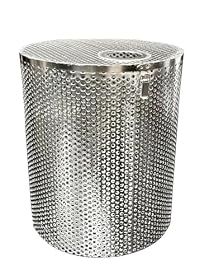
A clogged intake screen, foam filter, or pump cage is one of the most common causes of weak fountain flow. Remove the pump according to its instructions and rinse the filter with pond water or clean water. Avoid soap and household cleaners, which can harm pond life.
If the pump has a removable impeller cover, inspect the impeller chamber for gravel, leaves, string algae, or sludge. Clear debris carefully and check that the impeller can turn freely. Do not force a stuck impeller or disassemble sealed electrical sections.
Fine debris can clog a filter quickly after pond maintenance, heavy rain, or algae growth. A pump that works normally again after cleaning probably does not need replacement.
Product prices and availability are accurate as of the date/time indicated and are subject to change. Any price and availability information displayed on Amazon.com at the time of purchase will apply to the purchase of this product.
3. Check the tubing for kinks and blockages
Inspect the entire hose run from the pump to the fountain head. Look for:
Remove the tubing and flush it with clean water. Replace tubing that has collapsed, hardened, split, or accumulated heavy internal growth. Use tubing that matches the pump outlet size; reducing the diameter can noticeably reduce fountain height and flow.
4. Check for air leaks and loose connections
A loose connection on the discharge side can let water escape before it reaches the fountain head. Examine hose barbs, adapters, clamps, and threaded fittings for drips or a poor fit.
Push flexible tubing fully onto the fitting and secure it with an appropriate clamp if the manufacturer permits one. Replace cracked connectors and split tubing. Threaded fittings should be tightened securely, but avoid over-tightening plastic parts, which can crack them.
A pump that pulls air because its intake is partly exposed may also produce weak or irregular flow. Make sure the pump is fully submerged unless it is specifically designed for external operation.
5. Verify the water level and pump position
Low water can reduce performance and may allow the pump to draw air. Add dechlorinated or otherwise pond-safe water as needed, following the requirements for fish, plants, and local water conditions.
Keep the pump on a stable, level surface rather than directly in loose sludge or gravel. Confirm that its intake is not pressed against the pond bottom or blocked by plant material. If the pump is inside a protective cage, make sure the cage is not packed with debris.
Also check the fountain head height. A pump may produce an acceptable spray at a low setting but struggle when the head is mounted too high or connected through a long length of tubing.
6. Confirm the fountain head and pump are compatible
Fountain attachments have different flow requirements. A wide, multi-tier, or tall spray pattern generally needs more flow and head height than a small single nozzle. The pump's maximum flow rating is measured under ideal conditions and normally decreases as water must travel upward or through restrictive tubing.
Check the pump instructions for its recommended fountain attachments, outlet size, maximum lift, and flow-control settings. If the pump has an adjustable control, make sure it has not been turned down accidentally.
A fountain head that is too large for the pump may spray weakly even when the pump is clean and working correctly. In that situation, use a smaller compatible nozzle or select a pump sized for the required height and flow.
7. Check whether the pump is wearing out
After cleaning the filter, clearing the tubing, correcting the water level, and removing the fountain head, observe the pump's output through the open discharge fitting. Keep hands clear and follow the pump's operating instructions.
If flow is still weak, possible causes include a worn impeller, damaged impeller magnet, restricted internal passage, or a failing motor. Unusual humming, grinding, rattling, overheating, repeated shutdowns, or a burning smell are reasons to disconnect power and stop using the pump.
Do not open sealed electrical components or attempt electrical repairs unless you are qualified and the manufacturer specifically permits service. Replace the pump when its impeller or motor is damaged and the correct replacement part is unavailable, difficult to source, or close in cost to a suitable replacement pump.
Quick diagnostic guide
No flow: Check power, water level, a blocked intake, a disconnected hose, and a severely clogged filter.
Low but steady spray: Check the fountain head, filter, tubing diameter, pump setting, and pump lift.
Intermittent spray: Look for low water, air entering the intake, a loose connection, or debris moving through the impeller.
Spray was strong after cleaning but weak again soon: Check for heavy algae, a damaged filter, pond sediment, or a pump cage that needs better protection.
Pump makes noise but moves little water: Inspect the impeller and discharge path, then consider pump wear if cleaning does not help.
When to replace a part or the pump
Replace the fountain head if its openings are damaged or cannot be cleared. Replace tubing or connectors when they are kinked, split, brittle, undersized, or contaminated internally. A replacement filter or pump cage may be appropriate when the existing one is torn or no longer protects the intake.
Replace the pump when it remains weak after the external checks, shows electrical or overheating symptoms, or cannot provide the required lift for the fountain design. Match a replacement to the fountain head, tubing size, pond conditions, required spray height, and any fish-safe installation requirements. Follow the manufacturer's installation and electrical-safety instructions, and use a qualified professional for questionable wiring or outdoor electrical work.
FAQ
Why is my pond fountain head barely spraying?
The most likely causes are a clogged nozzle or pump filter, blocked or kinked tubing, low water, an air leak, an incorrectly sized fountain head, or a worn impeller. Check these in that order with the pump unplugged.
Can a dirty pump filter reduce fountain height?
Yes. Debris on the intake screen, foam filter, or pump cage restricts water entering the pump and can greatly reduce spray height. Rinse the filter without soap and clear debris from the intake and impeller area.
Should I replace the pump if the fountain spray is weak?
Not immediately. First clean the nozzle and filter, flush the tubing, check the water level and connections, and verify that the fountain head is compatible with the pump. Replace the pump if it remains weak or shows grinding, overheating, electrical, or motor-failure symptoms.
Why does the fountain spray work briefly and then become weak?
A filter or intake may be clogging again, the water level may be falling and allowing air into the pump, or debris may be intermittently blocking the impeller. Check for algae, sediment, a restricted pump cage, and a loose intake-side connection.