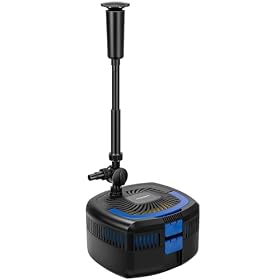
A pond pump clogged with sludge usually has a blocked intake screen, foam prefilter, hose, or impeller chamber. Unplug the pump, clean the filtration and flow path in order, then check for leaks, incorrect setup, and motor problems before replacing the unit.
A pond pump clogged with sludge will usually lose flow, run noisily, or stop circulating water altogether. Unplug it before removing or cleaning anything, then work through the intake filter, hose, impeller, seals, and setup in that order. Sludge is often a maintenance or filtration problem rather than an immediate pump failure.
Safety first
Disconnect the pump from power before lifting it, opening the housing, or reaching near the impeller.
Do not operate a submersible pump out of water unless the manufacturer specifically allows it.
Keep electrical connections dry and use the ground-fault protection and outdoor setup specified by the manufacturer.
If the pump, cord, plug, or outlet is damaged, stop using it and have the equipment inspected or replaced by a qualified professional.
1. Clean the pump’s filter and intake
Sludge commonly collects on the pump’s intake screen, foam prefilter, pump cage, or strainer basket. A thick coating can restrict water before it reaches the impeller.
Unplug the pump and remove it from the pond or pump chamber.
Rinse the external cage, intake screen, or prefilter with pond water or a bucket of dechlorinated water.
Remove compacted mud, leaves, algae, and stringy debris by hand.
If the pump has filter foam, squeeze it gently in pond water until water can pass through it again.
Reassemble the filter before reconnecting the pump.
Avoid washing biological filter media under chlorinated tap water if it is part of the pond’s beneficial filtration system. For a small pump intake prefilter, the main goal is to restore unrestricted flow without tearing the foam or mesh.
If the prefilter becomes clogged again quickly, the pond may have excessive sediment, disturbed soil, decaying leaves, or an undersized mechanical filter. Cleaning the pump repeatedly will not solve the underlying problem by itself.
Product prices and availability are accurate as of the date/time indicated and are subject to change. Any price and availability information displayed on Amazon.com at the time of purchase will apply to the purchase of this product.
2. Check the hose, tubing, and outlet
A clear pump intake does not guarantee that water can leave the pump. Sludge can settle inside flexible tubing, elbows, fountain fittings, and discharge outlets.
Inspect the intake and discharge hoses for kinks, collapsed sections, and sharp bends.
Disconnect the tubing only after the pump is unplugged.
Flush the hose with clean water and check that water passes through freely.
Remove sludge from fountain heads, waterfall outlets, spray bars, and narrow fittings.
Check that the hose diameter matches the pump connection and has not been reduced by an overly small adapter.
Long or narrow tubing creates more resistance than a short, wide run. If the pump works with the outlet disconnected but flow drops after the hose is attached, the restriction is likely in the tubing, fitting, or water feature rather than inside the motor.
3. Open and clean the impeller chamber
If the intake and tubing are clear but flow remains weak, sludge may be packed around the impeller. The impeller is the small rotating component that moves water through many pond pumps.
With the pump unplugged, follow the manufacturer’s instructions to remove the intake cover or pump housing. Then:
Rinse loose sediment from the chamber.
Remove hair, string algae, gravel, and mud from around the impeller.
Check that the impeller turns freely without forcing it.
Inspect the impeller, shaft, and surrounding chamber for cracks, heavy wear, or missing pieces.
Refit the cover and gasket carefully so the housing seals properly.
Do not use metal tools to pry against plastic parts or the ceramic shaft. A damaged impeller may cause low flow, rattling, or intermittent operation even after the sludge is removed.
4. Check for leaks and air entering the system
A leak on the intake side of an external pump can let air into the line and reduce water movement. A loose cover or damaged O-ring on a submersible pump can also allow water to bypass the intended flow path.
Look for:
Loose hose clamps or threaded fittings
Split, hardened, or poorly seated tubing
A pinched or flattened gasket
A missing, twisted, or damaged O-ring
Water leaking around the pump housing
Air bubbles returning through the outlet after the pump starts
Replace damaged seals with parts that match the pump. Do not rely on excessive thread tape, sealant, or force to compensate for an incorrectly sized fitting.
5. Confirm the pump is installed correctly
A pump can appear clogged when it is actually installed in a way that limits flow. Confirm the following:
The pump is fully submerged if it is a submersible design.
The pump is sitting level and is not buried in pond sediment.
The intake is elevated above the pond floor or protected by a suitable cage or prefilter.
An external pump has been primed as directed before starting.
The discharge is not positioned too high for the pump’s available head height.
The flow-control valve, if present, is open enough for the intended circulation.
The pump is not being asked to push water through a filter or feature that exceeds its flow requirements.
A pump’s advertised flow is normally measured under favorable conditions. Actual flow decreases as lift height, tubing length, elbows, filters, and fountain fittings add resistance.
6. Check for a full filter, skimmer, or collection chamber
Sludge may not be inside the pump at all. A full pond filter, skimmer basket, settling chamber, or filter bag can starve the pump of water or force debris toward its intake.
Clean the mechanical filter stages and remove accumulated sediment from the chamber. If the pond has a separate biological filter, clean only the mechanical sections as directed by the filter manufacturer. Preserving beneficial bacteria is important, especially in a pond containing fish.
If the pump is drawing from a low-water area, confirm that the water level has not fallen below the intake. A partially exposed pump can draw air, overheat, or lose prime depending on its design.
7. Rule out motor or electrical problems last
If the pump is clean, supplied with water, and correctly connected but still will not start or maintain flow, the problem may be electrical or mechanical.
Check only the basics that are safe and accessible:
Confirm the outlet or ground-fault device has not tripped.
Check that the plug is fully inserted and dry.
Look for visible cord, plug, or housing damage.
Listen for humming, grinding, repeated starting, or complete silence.
Do not bypass a ground-fault device or continue resetting it if it trips repeatedly.
A humming pump with a clean impeller may have a seized motor or failed start component. A pump that trips protection, smells hot or burnt, or has damaged wiring should be disconnected and evaluated by a qualified professional or replaced according to the manufacturer’s guidance.
When to replace the pump
A replacement pump is reasonable when the impeller chamber, intake, tubing, and filter are clear but the pump still has very low flow, overheats, leaks through the housing, or repeatedly stops. Replacement may also make more sense when the pump has a cracked casing, worn impeller parts that are no longer available, or a damaged power cord.
Before buying a replacement, match the pump’s:
Required flow rate at the actual lift height
Hose or pipe connection size
Submersible or external installation type
Power requirements and outdoor-use rating
Compatibility with the pond filter, waterfall, UV clarifier, or fountain
Intake protection and ease of cleaning
Do not choose solely by the highest advertised gallons-per-hour figure. A pump that is too powerful for the tubing or filter can waste energy, overwhelm filtration, or create excessive current for fish and plants.
Prevent sludge from clogging the pump again
Keep the intake off the pond floor and use a suitable prefilter or pump cage.
Clean mechanical filtration before it becomes completely blocked.
Remove leaves and decaying plant material regularly.
Avoid disturbing pond sediment immediately before running the pump.
Check tubing and the pump intake during seasonal pond cleanouts.
Improve the pond’s mechanical filtration if the pump clogs repeatedly.
Follow the pump and filter manufacturer’s cleaning schedule.
If the water remains muddy after the pump is clear, focus on sediment control and mechanical filtration rather than repeatedly replacing the pump. A properly protected pump should move water without pulling large amounts of sludge into its impeller.
FAQ
Can I clean a pond pump with tap water?
For a small intake screen or pump prefilter, rinsing may be acceptable, but pond water or dechlorinated water is preferable when the part supports beneficial biological filtration. Follow the filter and pump manufacturer’s cleaning instructions.
Why does my pond pump keep clogging with mud?
The intake may be too close to the pond floor, the pump cage or prefilter may be too small, or the pond may contain excessive sediment and decaying debris. Raise and protect the intake, clean mechanical filtration more often, and address the source of the sediment.
How do I know whether sludge damaged the pond pump?
After cleaning the intake, tubing, and impeller chamber, persistent low flow, grinding, overheating, leakage, or failure to start can indicate impeller or motor damage. Check replacement parts first if available; otherwise, replacement of the pump may be reasonable.
Should I replace the pump or install a better filter?
If the pump runs normally after cleaning but clogs repeatedly, improve the intake protection or mechanical filtration first. Replace the pump when it remains weak, noisy, leaky, electrically unsafe, or incompatible with the pond system after the clog is removed.